
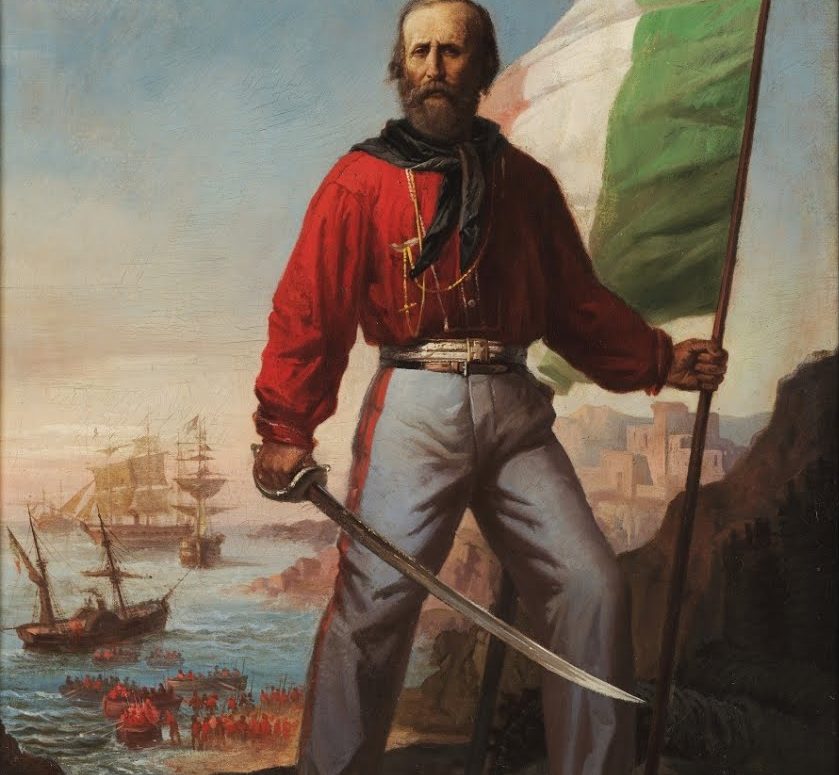
L'impalcatura per l'unificazione dell'Italia nel 1861 è una ramificazione di causa-effetto nella Storia Antica che si incastra nella minaccia esistenziale dell'Islam all'Europa, dove differenze territoriali e ideologiche frammentano la necessità di una causa comune.
Ancient History augments the blending of the Simonetti, Attisani, and Vogel oral-history hand-me-downs with the events unfolding in Italy, Austria, and Greater Europe. Those governing originated in the Bronze Age: Anatolia, the Sea People, the Philistines, the Etruscans, Canaan, and Mycenaean civilisations. Biblical-scale events include the Exodus, Homer’s Troy, and the Jewish diasporas. The Roman Empire is brought undone by the Islamic Ottomans once the Crusades initiated by Pope Urban II fizzle out. Papal Rome’s misadventure leads to the ‘Great Schism’. Catholicism and Orthodox Christianity continue to reverberate through Eastern Europe. It is relevant to the Vogels’ initial migration to the Balkans following Austria’s reclamation of territories formerly under Ottoman rule. Dubious societal institutions vying for power delineate the spiritual and temporal boundaries. Galileo’s observations bolster heliocentrism. The French Revolution awakens egalitarianism and leads to demands for constitutional rights. Papal Rome dispels the idea of a Republic while fuelling the revolving-door occupations of the peninsula. In the South, earthquakes, feudalism, and brigandage leave permanent scars. Protestant England meddles to wedge out the French. The Mazzini-inspired adventurer Garibaldi unites Italia under the remnants of the Austrian-vassal Kingdom of Piedmont. Not everyone is pleased with the ‘fait accompli’.
